

How to Insure Your Remote Team: A Modern Business Guide sets the stage for this enthralling narrative, offering readers a glimpse into a story that is rich in detail and brimming with originality from the outset. It delves into the intricate world of insuring remote teams, providing valuable insights and practical advice for businesses navigating this modern landscape.
As we explore the nuances of insurance options for remote teams, understanding their unique needs, implementing tailored policies, and evaluating cost-effectiveness, we uncover a wealth of information that can benefit businesses seeking to protect their remote workforce.
Researching Insurance Options for Remote Teams
When it comes to managing a remote team, one crucial aspect that should not be overlooked is ensuring adequate insurance coverage. Researching insurance options for remote teams is essential to protect both your employees and your business in case of unforeseen circumstances.
Let's delve into the importance of this process and explore some key factors to consider.
Types of Insurance Suitable for Remote Teams
- Workers' Compensation Insurance: Provides coverage for employees who are injured while working remotely.
- General Liability Insurance: Protects your business from claims of bodily injury or property damage that may occur during work activities.
- Cyber Liability Insurance: Safeguards against cyber threats and data breaches, which are common risks for remote workers.
Factors to Consider When Choosing Insurance Coverage
- Evaluate the specific risks associated with remote work, such as cybersecurity vulnerabilities or ergonomic issues.
- Determine the number of remote employees and the nature of their work to tailor coverage accordingly.
- Consider the geographical locations of your remote team members and any legal requirements for insurance in those areas.
Comparing Different Insurance Providers for Remote Team Coverage
- Request quotes from multiple insurance companies to compare coverage options and pricing.
- Check the reputation and financial stability of each insurer to ensure they can fulfill their obligations in case of a claim.
- Read reviews and testimonials from other businesses that have utilized insurance plans for remote teams to gauge the level of satisfaction.
Understanding the Specific Needs of Remote Teams

Remote teams have unique insurance needs compared to traditional office-based teams due to the nature of their work environment. Working remotely introduces a new set of risks that need to be addressed through appropriate insurance coverage. Let's explore the specific needs of remote teams and how insurance can help mitigate potential challenges.
Identifying Risks Associated with Remote Work
Remote work comes with its own set of risks, such as cybersecurity threats, data breaches, lack of supervision, and potential injuries at home. Insurance tailored for remote teams can provide coverage against these risks and ensure protection for both employees and the business.
- Remote teams are more vulnerable to cyber attacks and data breaches, making cyber insurance a crucial coverage area to protect sensitive information and financial assets.
- Lack of direct supervision in a remote work setting can lead to issues like errors or omissions, which can be covered by professional liability insurance.
- Home office injuries are common among remote workers, highlighting the need for workers' compensation insurance to cover medical expenses and lost wages in case of accidents.
Crucial Coverage Areas for Remote Teams
Insurance policies tailored for remote teams focus on specific coverage areas to address the unique risks they face. These coverage areas are essential for protecting remote workers and the business from potential liabilities.
Cyber insurance provides coverage for data breaches, hacking incidents, and other cyber threats that remote teams are more susceptible to due to the lack of secure office networks.
- General liability insurance protects remote teams from third-party claims of bodily injury, property damage, or advertising injury that may arise during the course of business operations.
- Business interruption insurance helps cover lost income and operating expenses in case remote work is disrupted due to unforeseen events like natural disasters or technical issues.
- Employment practices liability insurance safeguards remote teams against claims of wrongful termination, discrimination, or harassment in the virtual work environment.
Comparison with Standard Business Insurance
Standard business insurance may not fully address the specific needs of remote teams, as it may lack coverage for risks associated with remote work. Insurance policies tailored for remote teams offer specialized coverage options that are designed to mitigate the unique challenges of remote work environments.
- Remote team insurance policies typically include provisions for cyber liability, remote equipment coverage, and virtual communication risks, which are not typically covered by standard business insurance.
- Customizable coverage options in remote team insurance allow businesses to tailor their policies to meet the specific needs of their remote workforce, providing comprehensive protection against remote work-related risks.
Implementing Insurance Policies for Remote Teams
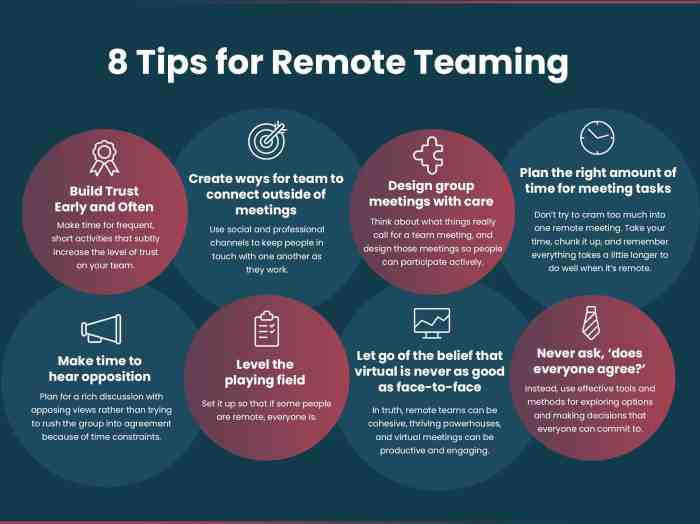
Implementing insurance policies for remote teams is crucial to ensure the well-being and security of all team members, regardless of their location. Below are the steps involved in implementing insurance policies for remote teams:
Communicating Insurance Details and Benefits
- Educate remote team members about the different insurance options available to them.
- Clearly explain the coverage, benefits, and limitations of each insurance policy.
- Provide access to resources or FAQs for team members to refer to when needed.
- Encourage open communication and address any questions or concerns regarding insurance.
Ensuring Awareness of Insurance Coverage
- Regularly remind remote team members of their insurance coverage and benefits.
- Utilize multiple channels such as email, virtual meetings, and company intranet to communicate insurance information.
- Offer personalized assistance to team members who may require additional support in understanding their insurance coverage.
- Provide updates on any changes or updates to insurance policies to keep team members informed.
Role of HR in Managing Insurance Policies
- HR plays a crucial role in coordinating and managing insurance policies for remote teams.
- HR should serve as a point of contact for insurance-related queries and provide guidance to team members.
- HR can organize training sessions or webinars to educate remote team members about insurance policies.
- HR should ensure that all remote team members are enrolled in the appropriate insurance plans and assist with any enrollment process.
Evaluating the Cost-Effectiveness of Insuring Remote Teams
When it comes to insuring remote teams, it's essential for modern businesses to carefully evaluate the cost-effectiveness of such insurance policies. This involves analyzing the expenses involved in providing coverage for remote employees and weighing them against the benefits and risk mitigation that insurance offers.
Optimizing Insurance Costs for Remote Teams
- Consider bundling insurance policies: By combining multiple insurance coverages like health, workers' compensation, and cyber liability into a comprehensive package, you may be able to negotiate a lower premium.
- Implement risk management strategies: Proactively identify and address potential risks within your remote team to reduce the likelihood of insurance claims, which can help in lowering premiums.
- Utilize technology: Some insurance providers offer discounts for implementing safety and security measures, such as using encrypted communication tools or conducting regular cybersecurity training for remote employees.
Insurance Add-Ons for Remote Teams
- Remote equipment coverage: This add-on can protect the company's investment in laptops, smartphones, and other devices used by remote employees.
- Virtual healthcare services: Including telemedicine or virtual therapy options in your insurance policy can provide convenient healthcare access for remote team members.
- Cybersecurity insurance: Given the increased risk of cyber threats in remote work setups, adding cybersecurity coverage can help mitigate financial losses due to data breaches or cyberattacks.
Negotiating Insurance Premiums for Remote Teams
- Compare multiple quotes: Don't settle for the first insurance quote you receive. Shop around and negotiate with different providers to secure the best rates for your remote team coverage.
- Highlight risk management efforts: Demonstrating your proactive risk management strategies to insurance companies can sometimes lead to lower premiums as they see you as a lower-risk client.
- Consider higher deductibles: Opting for a higher deductible can lower your premium costs, but make sure your remote team can afford the out-of-pocket expense in case of a claim.
Concluding Remarks
In conclusion, How to Insure Your Remote Team: A Modern Business Guide encapsulates the essence of safeguarding remote teams in today's dynamic business environment. By following the guidelines and recommendations laid out in this guide, businesses can ensure comprehensive insurance coverage for their remote workforce, fostering a secure and productive working environment for all team members.
FAQs
What factors should be considered when choosing insurance coverage for remote teams?
Factors to consider include the specific needs of remote teams, the risks associated with remote work, and the coverage areas crucial for their protection. Additionally, comparing insurance providers for remote team coverage is essential to make an informed decision.
How can HR effectively manage insurance policies for remote teams?
HR can play a pivotal role in managing insurance policies for remote teams by ensuring clear communication of insurance details and benefits to all team members. They can also design strategies to ensure that every remote team member is aware of their insurance coverage and address any queries or concerns promptly.
What are some examples of insurance add-ons or riders that could benefit remote teams?
Examples include coverage for equipment used by remote team members, cyber liability insurance to protect against data breaches, and coverage for mental health services to support the well-being of remote employees.
![[Video] Why Every Business Needs Cyber Liability Insurance Today](https://startup.jatimnetwork.com/wp-content/uploads/2025/07/Why-Your-Business-Needs-Cyber-Liability-Insurance-75x75.jpg)
