

Exploring the impact of business credit on commercial insurance rates, this article delves into the crucial relationship between the two financial aspects.
Introduction to Business Credit and Commercial Insurance Rates
Business credit plays a crucial role in the financial world, serving as a measure of a company's creditworthiness and financial stability. On the other hand, commercial insurance rates refer to the premiums that businesses pay for insurance coverage to protect against various risks and liabilities.
The determination of commercial insurance rates takes into account multiple factors, including the industry, size of the business, claims history, and more. Understanding the relationship between business credit and commercial insurance rates is essential for businesses to manage their financial health effectively.
Importance of Business Credit
Business credit is a reflection of a company's ability to meet its financial obligations and is a key factor considered by lenders, suppliers, and insurance companies when assessing risk. A strong business credit profile can lead to better loan terms, improved vendor relationships, and lower insurance premiums.
Determining Commercial Insurance Rates
Commercial insurance rates are calculated based on various risk factors associated with a business. Insurers evaluate the likelihood of claims based on factors such as the industry's risk profile, past claims history, business size, location, and coverage limits. Businesses with better risk profiles, including strong business credit, may be eligible for lower insurance premiums.
Relationship between Business Credit and Commercial Insurance Rates
Business credit can significantly impact commercial insurance rates. A higher business credit score indicates financial stability and responsible financial management, which can translate to lower insurance premiums. Insurers view businesses with good credit as less risky and are more likely to offer competitive rates.
Conversely, businesses with poor credit may face higher insurance costs due to the perceived risk of financial instability.
Factors Influencing Commercial Insurance Rates
When it comes to commercial insurance rates, several factors come into play that can influence the premiums a business has to pay. Understanding these factors is crucial for businesses to effectively manage their insurance costs.
Industry Risk
The industry in which a business operates plays a significant role in determining commercial insurance rates. Some industries are inherently riskier than others, leading to higher premiums. For example, a construction company may face higher insurance costs compared to a retail store due to the nature of the work involved.
Business Size and Revenue
The size of a business and its annual revenue also impact commercial insurance rates. Larger businesses with higher revenue may face higher premiums due to the increased risk exposure and potential for larger claims.
Claims History
A business's claims history is a crucial factor that insurers consider when determining insurance rates. A business with a history of frequent or costly claims is likely to face higher premiums as they are deemed higher risk.
Location
The location of a business can also influence commercial insurance rates. Businesses located in areas prone to natural disasters or high crime rates may face higher premiums to account for the increased risk of property damage or theft.
Business Credit
Business credit is another important factor that can impact commercial insurance rates. Insurers may use a business's credit score to assess its financial stability and reliability. Businesses with strong credit scores are seen as less risky and may be offered lower insurance premiums.
Impact of Business Credit on Insurance Rates
A business with an excellent credit score is likely to receive lower insurance premiums compared to a business with a poor credit score. Insurers view businesses with good credit as more financially stable and less likely to default on payments, leading to lower risk and lower premiums.
Examples of Credit Scores and Insurance Premiums
For example, a business with a credit score above 700 may qualify for discounted insurance rates due to their strong creditworthiness. On the other hand, a business with a credit score below 500 may face higher insurance premiums as they are perceived as higher risk by insurers.
Importance of Maintaining Good Business Credit

Having a strong business credit profile is crucial for the financial health and success of your company. It not only affects your ability to secure loans and financing but also plays a significant role in determining your commercial insurance rates.
Benefits of Having a Strong Business Credit Profile
- Access to Better Financing Options: A good credit score can help you qualify for lower interest rates and higher loan amounts from lenders.
- Improved Cash Flow: With better credit, you may be able to negotiate better payment terms with suppliers, improving your cash flow.
- Enhanced Business Reputation: A strong credit profile can enhance your company's reputation and credibility in the eyes of suppliers, customers, and partners.
How Maintaining Good Credit Influences Insurance Rates
- Lower Premiums: Insurers often offer lower premiums to businesses with good credit scores, as they are seen as less risky and more likely to make timely payments.
- Higher Coverage Limits: Companies with good credit may qualify for higher coverage limits on their commercial insurance policies, providing more comprehensive protection.
- More Policy Options: Maintaining good credit can give you access to a wider range of insurance providers and policy options, allowing you to tailor coverage to your specific needs.
Strategies for Improving and Managing Business Credit Effectively
- Pay Bills on Time: Ensure timely payments to creditors to build a positive credit history and avoid late fees.
- Monitor Your Credit Report: Regularly review your business credit report for errors or discrepancies that could impact your score.
- Keep Credit Utilization Low: Avoid maxing out your credit lines to maintain a healthy credit utilization ratio.
- Establish Trade Lines: Establish trade lines with suppliers and vendors who report payments to credit bureaus to boost your credit profile.
Case Studies or Examples
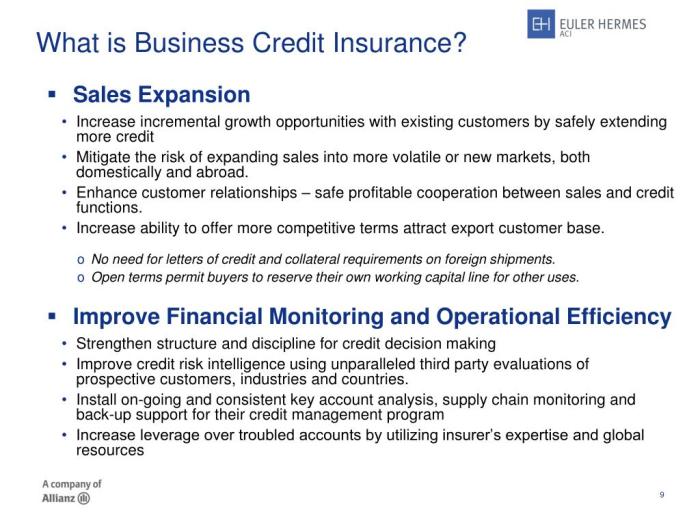
In order to understand how business credit affects commercial insurance rates, let's take a look at some real-life examples and case studies that highlight the correlation between the two.
Case Study 1: Business A with Excellent Credit
Business A has a strong credit profile with a high credit score and a history of on-time payments. As a result, they were able to secure a comprehensive commercial insurance policy at a competitive rate. Their excellent creditworthiness demonstrated to insurers that they were a low-risk client, leading to lower insurance premiums compared to businesses with poor credit.
Case Study 2: Business B with Poor Credit
On the other hand, Business B struggled with a poor credit history, including late payments and high levels of debt. When they applied for commercial insurance, insurers viewed them as a higher risk due to their credit profile. As a result, Business B faced significantly higher insurance rates and less favorable policy terms compared to Business A.
Leveraging Business Credit for Better Insurance Deals
Businesses can leverage their credit profile to obtain better insurance deals by taking proactive steps to improve their creditworthiness. By maintaining a positive payment history, reducing debt levels, and monitoring their credit score regularly, businesses can demonstrate their reliability to insurers and potentially negotiate lower insurance premiums.
Additionally, businesses can explore insurance providers that offer discounts or special rates for clients with strong credit profiles, further incentivizing the maintenance of good business credit.
Final Conclusion
In conclusion, understanding how your business credit influences your commercial insurance rates can lead to informed decisions and potentially cost savings.
Common Queries
How does business credit affect commercial insurance rates?
Business credit can impact insurance rates by influencing the perceived risk level of the business, which insurers consider when determining premiums.
Can a poor credit score result in higher insurance premiums?
Yes, a lower credit score can lead to higher insurance premiums as it may indicate a higher risk of default or financial instability.
What are some strategies for improving business credit?
Strategies include paying bills on time, keeping credit utilization low, monitoring credit reports for errors, and establishing trade lines with suppliers.
Is it possible to negotiate insurance rates based on business credit?
While it may be challenging, some insurers may consider business credit during negotiations, especially for larger policies.
How quickly can changes in business credit score reflect in insurance rates?
Changes in business credit score can typically reflect in insurance rates within a few months as insurers periodically reassess risk factors.

