

Delving into the realm of Insurance Coverage for Home-Based Businesses, we uncover the crucial shield that protects these entrepreneurial ventures. From safeguarding assets to mitigating risks, this topic sheds light on the vital role insurance plays in the success of home-based businesses.
Overview of Insurance Coverage for Home-Based Businesses
Insurance coverage is crucial for home-based businesses as it provides protection against various risks and liabilities that can arise in the course of operations. While many home-based entrepreneurs may overlook the need for insurance, it is essential to safeguard their business and personal assets.
When comparing insurance needs between traditional businesses and home-based businesses, there are some key differences to consider. Home-based businesses often have unique risks related to operating from a residential property, such as property damage, liability issues, and business interruptions. Traditional businesses, on the other hand, may face risks associated with larger commercial properties, employees, and more extensive operations.
Common Risks Faced by Home-Based Businesses
- Property Damage: Insurance can cover damage to your home, office equipment, and inventory due to events like fires, theft, or natural disasters.
- Liability Issues: Insurance can protect you from lawsuits related to accidents or injuries that occur on your property or as a result of your products or services.
- Business Interruptions: Insurance can provide coverage for lost income and expenses if your home-based business operations are disrupted due to unforeseen events.
Types of Insurance Coverage Available
When it comes to protecting your home-based business, having the right insurance coverage is crucial. Here are some key types of insurance coverage options available for home-based businesses:
General Liability Insurance
General liability insurance provides coverage for claims of bodily injury, property damage, and advertising injury. This type of insurance can protect your business from lawsuits and legal expenses resulting from accidents or negligence. For example, if a client visits your home office and slips on a wet floor, general liability insurance can help cover their medical expenses and any legal fees that may arise.
Business Property Insurance
Business property insurance covers the physical assets of your home-based business, such as equipment, inventory, and furniture. In the event of a fire, theft, or natural disaster, this insurance can help replace or repair damaged property. For instance, if a fire destroys your home office and equipment, business property insurance can cover the cost of replacing these items.
Professional Liability Insurance
Professional liability insurance, also known as errors and omissions insurance, provides protection against claims of professional negligence or mistakes. This type of insurance is essential for service-based businesses, such as consultants or freelance professionals. If a client sues your business for errors in your work that result in financial loss, professional liability insurance can cover legal defense costs and any settlements.Having a tailored insurance policy for your home-based business is significant because it ensures that you have the specific coverage needed to protect your unique risks and liabilities.
By customizing your insurance policy to fit your business operations, you can have peace of mind knowing that you are adequately covered in case of unexpected events or legal claims.
Factors to Consider When Choosing Insurance Coverage
When it comes to selecting insurance coverage for a home-based business, there are several key factors that business owners should take into consideration to ensure adequate protection. The size and nature of the business play a crucial role in determining the most suitable insurance options, and assessing insurance needs based on specific business operations is essential for making informed decisions.
Size and Nature of the Business
One of the primary factors to consider when choosing insurance coverage for a home-based business is the size and nature of the business. A larger business with more employees and higher revenue may require more comprehensive coverage to protect against potential risks.
On the other hand, a smaller business with fewer assets may be able to opt for more basic insurance options.
Assessing Insurance Needs
Assessing insurance needs based on the specific operations of a home-based business involves identifying potential risks and determining the level of coverage required to mitigate those risks. For example, a business that involves frequent client interaction may need liability insurance to protect against potential lawsuits, while a business that relies heavily on equipment may need property insurance to cover damage or loss.
Cost and Affordability of Insurance Coverage
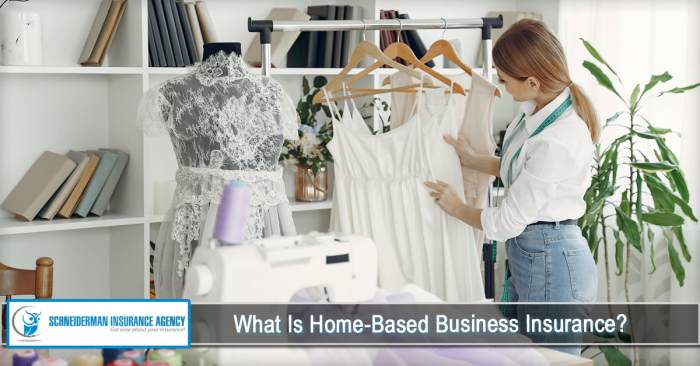
When it comes to insurance coverage for home-based businesses, cost is a significant factor to consider. The expenses associated with different insurance options can vary widely, impacting the overall affordability for business owners.
Analyzing Cost Implications
It is essential for home-based business owners to analyze the cost implications of different insurance coverage options. Factors such as the type of coverage, coverage limits, deductibles, and the size of the business can all affect the overall cost of insurance.
- Consider the specific needs of your business to determine the necessary coverage.
- Compare quotes from multiple insurance providers to find the most cost-effective option.
- Look for discounts or bundled packages that can help reduce insurance costs.
- Evaluate the financial stability and reputation of the insurance company to ensure you are getting value for your money.
Managing Insurance Costs Effectively
Home-based business owners can take proactive steps to manage insurance costs effectively and maintain affordability.
- Implement risk management strategies to reduce the likelihood of claims and lower insurance premiums.
- Review and update your insurance coverage regularly to ensure it aligns with your current business needs.
- Consider increasing deductibles to lower premium costs, but make sure you can afford the out-of-pocket expenses in case of a claim.
- Explore alternative insurance options such as business owner's policies that combine multiple coverages at a lower cost.
Finding the Balance
Choosing insurance coverage for your home-based business involves finding the right balance between comprehensive coverage and affordability.
- Assess the level of risk your business faces and prioritize coverage for potential risks that could have a significant financial impact.
- Work with an insurance agent or broker to tailor a policy that meets your needs without unnecessary coverage that can drive up costs.
- Regularly review your insurance coverage and adjust as needed to maintain an optimal balance between protection and cost.
Conclusion
In conclusion, Insurance Coverage for Home-Based Businesses acts as a safety net, ensuring continuity and resilience in the face of unforeseen challenges. By understanding the nuances of insurance options, home-based business owners can navigate the complex landscape with confidence and peace of mind.
Top FAQs
Is insurance coverage mandatory for home-based businesses?
While not required by law in most cases, having insurance coverage is highly recommended to protect your business from potential risks.
What types of insurance should a home-based business consider?
Common types include general liability, business property, and professional liability insurance, tailored to address specific needs and risks.
How can home-based business owners manage insurance costs effectively?
Business owners can explore options like bundling policies, comparing quotes, and adjusting coverage limits to balance affordability and protection.

