

Exploring the necessity of flood insurance for your property, this introduction sets the stage with a captivating overview that draws readers in with its informative and engaging tone.
Providing insight into the importance of protecting your property against flood damage, this paragraph offers valuable information that will help you make informed decisions.
Understanding Flood Insurance
Flood insurance is a type of insurance coverage that specifically protects your property and belongings from damage caused by flooding. It is important to note that standard homeowners insurance typically does not cover flood damage, so having a separate flood insurance policy can be crucial in certain situations.
What Flood Insurance Covers
- Flood insurance typically covers damage to the structure of your home, including the foundation, walls, and electrical and plumbing systems.
- It also usually covers damage to your personal belongings, such as furniture, clothing, and electronics.
- Additionally, flood insurance may cover expenses related to temporary housing if your home becomes uninhabitable due to flooding.
Examples of Situations Where Flood Insurance is Beneficial
- Living in a high-risk flood zone where flooding is more likely to occur.
- Owning a property near a body of water, such as a river, lake, or ocean, where flooding can be common.
- Experiencing heavy rainfall or hurricanes in your area that could result in flooding.
Difference Between Flood Insurance and Homeowners Insurance
- Flood insurance specifically covers damage caused by flooding, while homeowners insurance typically covers damage from other perils like fire, theft, and windstorms.
- Homeowners insurance usually does not cover flood damage, so having a separate flood insurance policy is important for full protection.
- Flood insurance is often provided through the National Flood Insurance Program (NFIP) or private insurers, while homeowners insurance is more commonly offered by traditional insurance companies.
Risk Assessment for Flood Insurance
When considering the need for flood insurance, various factors come into play to determine the level of risk associated with a property. Understanding how flood risk is evaluated and the impact of flood zones on insurance requirements is crucial for property owners.
Factors Determining the Need for Flood Insurance
- Location: Properties located in high-risk flood zones, such as coastal areas or near rivers, are more likely to require flood insurance.
- History of Flooding: Properties with a history of flooding or located in flood-prone areas are at higher risk and may need flood insurance.
- Type of Property: The type of property, such as a residential home or commercial building, can also influence the need for flood insurance.
- Government Regulations: Some areas may have regulations that mandate the purchase of flood insurance based on specific criteria.
Evaluation of Flood Risk for a Property
- Flood Elevation Certificates: These certificates provide information on the elevation of a property in relation to the base flood elevation, helping determine flood risk.
- Topography: The slope and elevation of the land surrounding a property can impact its susceptibility to flooding.
- Historical Data: Reviewing past flood events in the area can help assess the risk of future flooding for a property.
Comparison of Flood Zones and Insurance Requirements
- High-Risk Flood Zones: Properties located in high-risk flood zones, designated as Special Flood Hazard Areas (SFHAs), typically require flood insurance for mortgage approval.
- Moderate- to Low-Risk Flood Zones: Properties in moderate- to low-risk flood zones may not be required to have flood insurance, but it is still recommended for added protection.
- Flood Zone Changes: Changes in flood zone designations can impact insurance requirements, with properties potentially moving from low- to high-risk zones based on updated flood maps.
Legal Requirements and Regulations
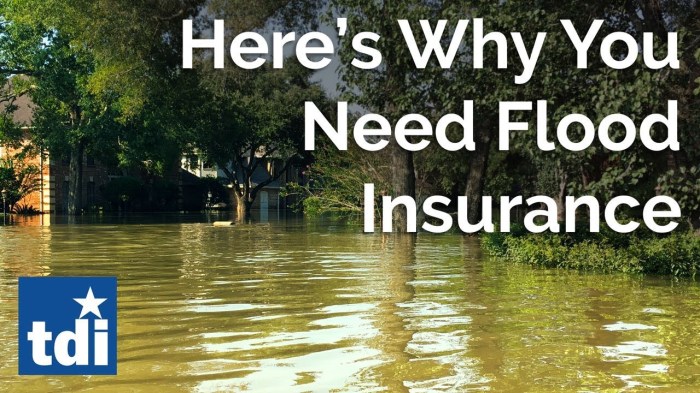
When it comes to flood insurance, there are specific legal requirements and regulations that property owners need to be aware of. These regulations are put in place to protect individuals, communities, and the overall environment from the devastating impacts of flooding.
Government Influence on Flood Insurance
Government regulations play a significant role in influencing the need for flood insurance. In many cases, local, state, and federal governments require property owners in high-risk flood zones to have flood insurance coverage. This is to ensure that individuals are financially protected in the event of a flood and to prevent future financial burdens on communities and government resources.
- Government regulations may require property owners in high-risk flood zones to purchase flood insurance as a condition of obtaining a mortgage or building permit.
- Some government programs, such as the National Flood Insurance Program (NFIP), provide affordable flood insurance options for property owners in flood-prone areas.
- Government regulations also dictate how properties in flood zones are built and maintained to mitigate flood risks, which can impact insurance requirements.
It is essential for property owners to understand and comply with government regulations related to flood insurance to avoid potential legal consequences and financial risks.
Costs and Coverage Options
When it comes to flood insurance, understanding the costs and coverage options is crucial for protecting your property. Let's dive into the factors that determine the cost of flood insurance, compare different coverage options available, and explore the process of filing a claim and receiving coverage.
Cost Factors for Flood Insurance
- Location: Properties in high-risk flood zones typically have higher premiums compared to those in low to moderate-risk areas.
- Property Value: The value of your property and its contents will influence the cost of your flood insurance policy.
- Coverage Limits: Higher coverage limits will result in higher premiums.
- Age and Construction of Property: Older properties or those with certain construction materials may have higher insurance costs.
Coverage Options for Flood Insurance
- Building Property Coverage: This covers the structure of your property, including the foundation, electrical systems, plumbing, and appliances.
- Personal Property Coverage: This protects your belongings inside the property, such as furniture, clothing, and electronics.
- Increased Cost of Compliance (ICC): This coverage assists with bringing your property into compliance with local floodplain management regulations after a flood.
Filing a Claim and Receiving Coverage
- Notify Your Insurance Company: Contact your insurance provider as soon as possible to report the damage and initiate the claims process.
- Evaluate the Damage: An adjuster will assess the damage to your property and determine the coverage amount based on your policy.
- Receiving Payment: Once the claim is approved, you will receive payment for the damages, minus any deductible specified in your policy.
- Repair and Rebuild: Use the insurance payment to repair or rebuild your property to its pre-flood condition.
Mitigation Strategies
When it comes to reducing the risk of flood damage, implementing effective mitigation strategies is crucial. These efforts not only help protect your property but can also have an impact on your flood insurance premiums.
Elevate Structures
- Raising the elevation of your property can help reduce the risk of flood damage. This can involve elevating the building itself or creating barriers such as levees or berms to divert floodwaters away from the property.
- By elevating structures, you can potentially lower your flood insurance premiums as it decreases the likelihood of damage from flooding.
Install Flood Vents
- Installing flood vents in the foundation of your property allows floodwaters to flow in and out, reducing the pressure on walls and preventing structural damage.
- Flood vents are a cost-effective way to mitigate flood risk and can lead to lower flood insurance premiums.
Create Proper Drainage Systems
- Ensuring your property has adequate drainage systems, such as gutters, downspouts, and proper grading, can help prevent water from pooling around the building during heavy rainfall or flooding.
- Effective drainage systems can minimize the risk of flood damage and demonstrate to insurers that steps have been taken to mitigate potential losses.
Final Wrap-Up
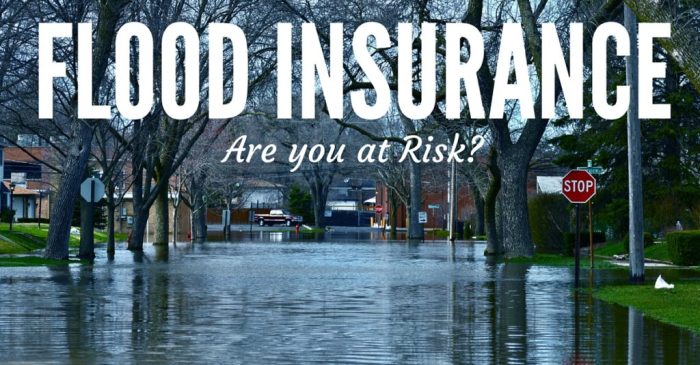
In conclusion, understanding the significance of flood insurance for your property is crucial in safeguarding your investment and securing peace of mind. This summary encapsulates key points discussed and reinforces the importance of being prepared for unforeseen circumstances.
Essential FAQs
Do I really need flood insurance if I don't live in a high-risk area?
It's still advisable to consider flood insurance as floods can happen anywhere, regardless of the area's risk level. It's better to be prepared.
Can flood insurance cover all types of water damage?
No, flood insurance specifically covers damage caused by flooding from natural sources like heavy rain, melting snow, or storm surges, not all types of water damage.
Is flood insurance mandatory for all homeowners?
While it may not be mandatory for all homeowners, it's highly recommended, especially if you live in a high-risk flood zone.
What factors can influence the cost of flood insurance?
Factors such as the property's location, elevation, flood risk zone, and coverage amount can impact the cost of flood insurance.
Are there any ways to lower flood insurance premiums?
Implementing flood mitigation strategies like elevating utilities, installing flood barriers, or improving drainage can help lower premiums.

