

As we dive into the realm of Exploring New Innovations in Health Coverage, we embark on a journey that unveils the transformative power of cutting-edge advancements in the healthcare industry. Brace yourself for a riveting exploration into the future of health coverage.
In the following paragraphs, we will delve into the latest trends and breakthroughs that are reshaping the landscape of health coverage, offering a glimpse into the exciting possibilities that lie ahead.
Overview of Health Coverage Innovations
Exploring new innovations in health coverage is crucial in ensuring that individuals and communities have access to the best possible healthcare options. These advancements not only improve the quality of care but also make it more affordable and accessible to a wider population.
By embracing new technologies and approaches in health coverage, individuals can benefit from personalized care, telemedicine services, preventive care programs, and streamlined administrative processes. Communities, on the other hand, can experience reduced healthcare costs, improved health outcomes, and increased overall well-being.
Recent Innovations in Health Coverage
- Integration of artificial intelligence in healthcare decision-making processes.
- Expansion of telehealth services to provide remote care options.
- Implementation of value-based care models to focus on patient outcomes rather than services provided.
- Development of mobile health apps for tracking health metrics and accessing medical information.
Technology Integration in Health Coverage
Technology plays a crucial role in modernizing health coverage systems, improving efficiency, and enhancing access to care for individuals. Let's delve into how technology is being integrated into health coverage and the impact it has on the overall healthcare landscape.
Telemedicine Revolutionizing Accessibility
Telemedicine has revolutionized the way individuals access healthcare services, especially in remote or underserved areas. Through video consultations, remote monitoring, and virtual care platforms, patients can now connect with healthcare providers from the comfort of their homes. This not only increases convenience but also reduces barriers to accessing timely medical assistance.
Telemedicine has become a vital component of health coverage, enabling patients to receive quality care regardless of their geographical location.
Wearable Devices for Health Monitoring
Wearable devices such as smartwatches, fitness trackers, and health monitoring apps have become popular tools for tracking health metrics and promoting wellness. These devices can monitor vital signs, activity levels, sleep patterns, and more, providing valuable data that can be used for preventive care and early intervention.
In the context of health coverage, wearable devices play a significant role in promoting proactive health management and reducing healthcare costs by detecting potential health issues early on. Integrating data from wearable devices into health coverage systems enables insurers to personalize care plans and incentivize healthy behaviors among policyholders.
Personalized Health Plans
Personalized health plans are tailored healthcare coverage options designed to meet the specific needs and preferences of individuals. These plans take into account factors such as age, gender, medical history, lifestyle, and family history to create a unique and targeted approach to healthcare.
Benefits of Personalized Health Plans
- Improved Health Outcomes: By focusing on individual needs, personalized health plans can lead to better health outcomes as they address specific health concerns and risk factors.
- Cost-Effective Care: Customized health coverage can help individuals avoid unnecessary treatments or services, leading to cost savings in the long run.
- Enhanced Patient Experience: Personalized health plans provide a more tailored and comprehensive approach to healthcare, leading to a more positive and satisfying patient experience.
Examples of Customized Health Coverage Options
- Wellness Programs: Some health insurance providers offer wellness programs that provide personalized coaching, resources, and incentives to help individuals achieve their health goals.
- Chronic Disease Management Plans: Customized plans for individuals with chronic conditions such as diabetes or heart disease can include regular monitoring, medication management, and lifestyle interventions.
- Telemedicine Services: Personalized health plans may include access to telemedicine services, allowing individuals to consult with healthcare providers remotely for convenience and efficiency.
Data Analytics in Health Coverage
Data analytics plays a crucial role in shaping modern health coverage strategies. By leveraging data-driven insights, organizations can enhance the efficiency and effectiveness of their health coverage systems. Additionally, data analytics enables providers to make informed decisions, improve patient outcomes, and optimize resource allocation.
Role of Data Analytics in Health Coverage
Data analytics allows health coverage providers to analyze vast amounts of data to identify trends, patterns, and opportunities for improvement. By harnessing the power of data, organizations can create personalized health plans, predict potential health risks, and tailor interventions to meet individual needs.
Through data analytics, providers can also streamline administrative processes, reduce costs, and enhance the overall quality of care.
Enhancing Efficiency with Data-Driven Insights
Data-driven insights enable health coverage systems to operate more efficiently by optimizing workflows, reducing redundancies, and improving decision-making processes. By analyzing data in real-time, organizations can identify areas for improvement, implement targeted interventions, and measure the impact of their initiatives.
This proactive approach helps providers deliver more effective care, improve patient satisfaction, and drive better health outcomes.
Importance of Data Security and Privacy
In the context of health coverage analytics, data security and privacy are paramount. Safeguarding sensitive health information is critical to maintaining patient trust and compliance with regulatory requirements. Organizations must implement robust data security measures, encryption protocols, and access controls to protect patient data from unauthorized access or breaches.
By prioritizing data security and privacy, health coverage providers can ensure the confidentiality and integrity of patient information while leveraging the power of data analytics to drive innovation and improve healthcare delivery.
Collaborations and Partnerships
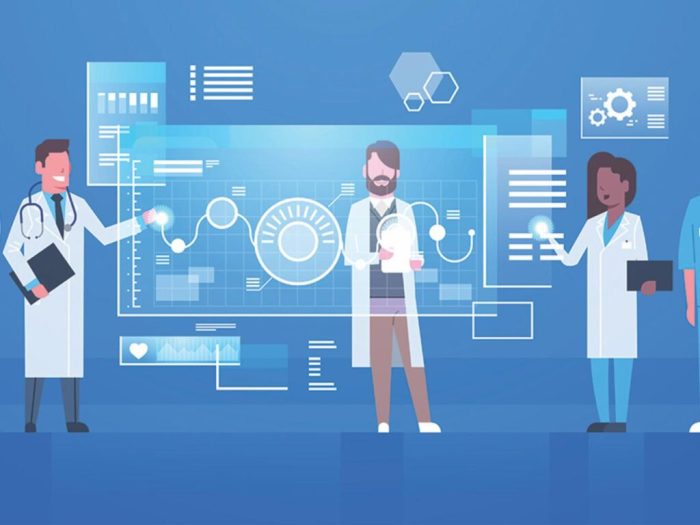
Collaborations between healthcare providers and insurance companies play a crucial role in driving innovation in health coverage. By working together, they can leverage their respective expertise to create more comprehensive and cost-effective solutions for patients.Public-private partnerships are another key aspect of advancing health coverage.
When governments, insurance companies, and healthcare providers join forces, they can pool resources and knowledge to develop programs that benefit a wider population. These partnerships can lead to improved access to care, better outcomes, and increased efficiency in the healthcare system.
Successful Collaborations in Health Coverage
- One example of a successful collaboration is the partnership between a major insurance company and a network of hospitals to create a bundled payment system for certain medical procedures. This collaboration led to improved coordination of care, reduced costs, and better outcomes for patients.
- Another successful partnership is the collaboration between a telemedicine provider and an insurance company to offer virtual primary care services to policyholders. This partnership increased access to care, especially in rural areas, and helped reduce unnecessary emergency room visits.
- A public-private partnership between a government health agency and several insurance companies resulted in the development of a health coverage program for low-income individuals. This collaboration improved access to preventive services, chronic disease management, and mental health support for underserved populations.
Last Word
In conclusion, the realm of Exploring New Innovations in Health Coverage presents a realm of endless possibilities and transformative changes that promise to revolutionize the way we approach healthcare. Embrace the future with open arms as we navigate through a world of innovation and progress.
Key Questions Answered
How can personalized health plans impact individuals' health outcomes?
Personalized health plans tailor medical treatments and interventions to an individual's unique needs, leading to improved health outcomes and overall well-being.
What role does data analytics play in shaping health coverage strategies?
Data analytics helps in analyzing trends, predicting future healthcare needs, and optimizing coverage options to provide efficient and effective healthcare solutions.
Why are collaborations between healthcare providers and insurance companies important for innovating health coverage?
Collaborations enable the sharing of resources, expertise, and innovative ideas, leading to the development of comprehensive and accessible health coverage options.

